
Ecommerce shipping takes away the maximum budget of online sellers, cutting down the profits to a great extent. While most of the sellers just accept these overwhelming amounts as they are, smart sellers actually look for ways to reduce ecommerce shipping costs. Since you landed on this blog, you must be one of those smart heads, and this is the ultimate content you will require to cut down the shipping costs in an e-commerce business. Without stretching this part further, let’s dig into the real content.
What is eCommerce Shipping Costs?
Shipping for eCommerce is an umbrella term that has sections underneath, explaining the division of cost better. To lay the base for this, the cost incurred to send packages to customers is known as the shipping cost for ecommerce stores. It includes:
- Packaging Cost: Accounting for boxes, tapes, corrugated boards, bubble wrap, packing foam, labels, and any other material used to pack and safeguard the products during the fulfillment process.
- Labor Cost: Accounting for the cost of human resources involved in transmitting the products safely to the customers.
- Fuel Cost: Accounting for the cost of fuel used in the conveyance used for shipping packed materials.
- Compliance Fee: Accounting for fees, like customs, brokerage, compliance duties, and taxes paid for international or even local deliveries.
All this, combined for the seller, comes out to a large sum. Sellers need to optimize this to earn better profits and scale their business in the long run.
What Factors Determine Shipping Costs for an E-commerce Business?
There are certain factors on which the cost of ecommerce shipping solutions depends; these need to be discussed in an elaborate manner for the sellers to understand what is eating up their money. Here are the factors explained in detail:
1. How Quickly the order Need to Be Delivered?
Speed of delivery is a major factor, which increases the cost of shipment for the sellers. Now, there are certain products that need to be delivered as quickly as possible. Then there are others whose delivery can be delayed without ruining the customer experience. Quick deliveries cost more, and hence it is important for sellers to analyze if the product’s delivery is actually urgent.
2. Shipping Distance
The larger the distance, the higher the cost for shipping. Now, sellers need to strategically place their products in different locations to lessen the distance for fulfillment and hence, the cost of shipping will reduce. To manage the inventory placed in different locations, sellers can use an inventory management system.
3. Package Weight
The weight of the package also influences the shipping charges. Heavy packages will always cost more for fulfillment than lighter packages since they need more manpower to handle and they are difficult to manage as well. So, packing products in heavy materials should be avoided by the sellers.
4. Package Dimensions
The packages that are larger in size are difficult to transport or move from one place to another. They generally require a larger carrier, costing a hefty sum to the ecommerce fulfillment partner, further costing heavier to the seller. Also, not every 3rd party fulfillment partner can handle bulky packages, adding another layer of charges.
How to Reduce Shipping Costs for Ecommerce Businesses?
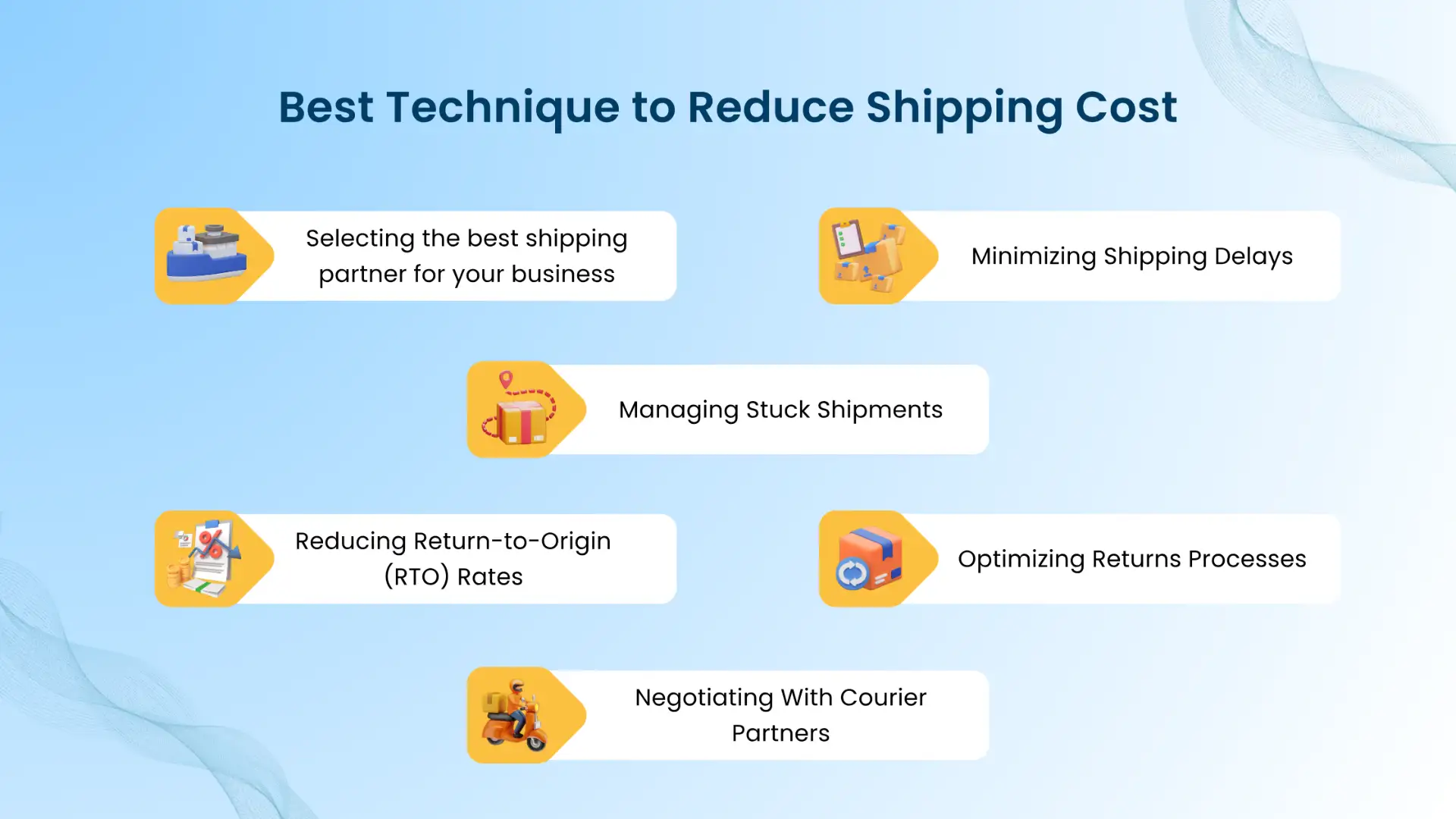
Finally, this is the section you have been waiting for, this entire blog. Well, trusting the process paid off, and here are the tips to reduce the fulfillment cost for eCommerce stores:
1. Efficient Packaging
This is the first layer that the consumers interact with as their order reaches. Packaging needs to be really smart, especially if there are multiple products being delivered daily. For starters, there is no harm in reusing and repurposing the material used for packaging once, coming from returned products. Also, the labels and wrapping material can be used again, cutting down the need for supplies while allowing the sellers to optimize their costs. Effective packaging will also lower the weight and dimensions of the package, dropping the overall charges for the eCommerce business.
2. Weight Your 3PL Options Correctly
There are multiple options for a 3PL service provider when it comes to looking for ecommerce solutions. Sellers should compare their options smartly based on their needs, the distance they want to cover, the kind of products they wish to transit, the dimensions of the order, or global shipping options, so they are not paying exorbitant prices for the same service.
3. Claim Refunds
The order fulfillment partner needs to make refunds and repayment of shipping charges when the fault is on their end. Sellers need to ensure that the transactions are made in time. Their service failure is already hurting your customer service; make sure to take compensation for the same.
4. Employ Different Carriers
eCommerce marketplace sellers can always have a couple of order fulfillment partners who can take care of different kinds of deliveries. This allows the seller to optimize cost and use the expertise of different partners in fulfilling orders of a varied nature. Ecommerce shipping integration with different 3PL partners can also be managed through ecommerce integration software, designed for eCommerce sellers.
5. Buy Third-Party Insurance
Buying insurance for the lost or damaged products is really important, especially if you deal in heavy stuff like furniture or expensive gadgets like mobile phones. Preferably, buy it from third-party insurance providers as they offer the same service at much discounted prices. This allows you to make deliveries in a cost effective manner.
6. Strategize Locations of Fulfillment Centers
Locating the inventory in different locations is really important. Sellers can analyze the areas in which certain products are highly delivered. The inventory management can be done to lower the distance for the logistics partner. Also, locating the stock in different locations demands centralized inventory management, which allows real-time tracking of stocks to avoid stockouts or dead inventory.
Conclusion
Earning higher profits is not always about better sales volume, it also requires optimization of costs. If different eCommerce operations keep eating up profits, then there can never be enough earning from the business to actually re-invest and scale the same. So, sellers need to optimize their cost with the tricks mentioned above. Also, with multichannel order management you can rely on an automation software that helps streamline the fulfillment process and guarantees effectiveness in the area. So, go ahead figure out where you can save the money and make your existing business better.
Get in Touch

.webp)

.webp)


