
MultiChannel Integration Solution to Centralize Business Operations












Drive Efficiency and Growth with
Multi-Channel Integration

Benefits
01
Centralized Management
Manage every one of your sales channels with ease with a single, cohesive platform. Simplify processes by combining customer information, orders, and items into a single interface. Gain better visibility, reduce confusion, and make faster, informed decisions to improve your business performance.
Benefits
02
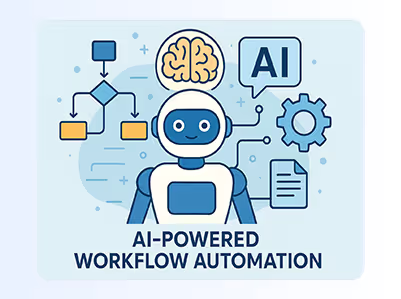
AI-Powered Workflow Automation
Streamline day-to-day business tasks with automated order processing, real-time inventory management, and shipping updates. Eliminate human errors and establish a flawless selling procedure for guaranteed customer satisfaction. Make sure that the business shines without you burning the midnight oil.

Benefits
03
Real-Time Inventory Sync
Keep your inventory accurate and up-to-date across all your sales channels. Real-time product quantity synchronization helps avoid overselling, stockouts, and inconsistencies. By guaranteeing product availability and preventing delays brought on by inaccurate stock levels, you can improve the customer experience.
Powerful Features to Help Multichannel eCommerce Business
Hold Orders
Having the option to put orders on hold gives you more control over how you handle them. Orders can be held and processed when they're ready, regardless of the reason—verification, stock replenishment, etc.
Inventory Buffer
Use inventory buffer settings that let you have a reserve supply on hand to avoid overselling. Set buffer limits to ensure that you always have enough inventory available.
Multiple Geo Locations
Control your orders, inventory, and fulfillment in several different places. By sending orders to the closest fulfillment center, location-based inventory and shipping management allow you to service clients worldwide more effectively.
Inventory Management
Keep your inventory synchronized across all channels in real time. Track stock levels, manage product variations, and receive automatic updates when stock runs low, ensuring that you never run out of popular items.
Order Management
Use an all-inclusive order management system to centralize the processing of your orders. With full insight into every order's progress from purchase to delivery, you can see, modify, and handle orders from several channels in one location.
Real-Time Tracking
Use real-time tracking for all of your clients' orders to keep them updated. Give precise information on the progress of orders, shipping, and delivery schedules.
Discover Our Case Study

Case Study
Crunchies
Crunchies is a global brand selling freeze-dried fruit and vegetable snacks as a solution for the people constantly looking for healthy and convenient snacking options. The global supply chain and vertical manufacturing process has enabled them to source their products straight from the farm which is delivered to the tables of their consumers allowing them to know where does their food come from.
Crunchies aims to deliver delicious, convenient and satisfying snacks against all those fat loaded and synthetic food items.
Frequently Asked Questions
Q1. What is Multichannel Integration?
Q2. What is the difference between multichannel and omni-channel?
Q3. Can I track my spending automatically?
Q4. Which platforms and integrations are supported?
Q5. How can I track the performance of different sales channels?
Q6. Does it support bundled or kit products across channels?
Get Started Today
Don't let integration challenges hold you back. Sign up for a free MapMyChannel trial today and experience the power of seamless integration.

24/7 Live Support
30-Day Free Trial. No Risk.
Dedicated Chat Support

.webp)

.webp)


