
You must have landed here while looking for the right inventory management software for a Shopify Store. But before you look for that, you need to know what features your inventory management system needs. While the broad purpose of such a tool is to manage and track stocks, there are minute details that make all the difference. These built-in features give you leverage over your competitors. Also, helping the business to scale and provide the consumers with a high-end shopping experience. While this might just look like a tool, it changes how your business functions, so make a wise choice and refer to the following information when deciding.
Why Shopify Sellers Need an Inventory Management Software?
This is an imperative question, so let’s get through this quickly via a brief overview of the benefits:
1. Avoid Overstocking & Understocking
Both situations are the biggest inventory issues. With real-time inventory management, sellers know the exact numbers in the warehouse, giving them insights on when to place an order or what not to order to avoid capital loss.
2. Better Order Fulfillment
The order fulfillment process is closely related to inventory management. If the stocks are not maintained in the storage, fulfilling orders becomes really difficult. Out-of-stock situations arise because of poor stock management in the first place. Also, the flow of orders stops as soon as there is a mismatch in the units.
3. Cost optimization
With inventory control in place, dead stock is out of the window. So, sellers can save their money related to obsolete and excess stock levels. Over time, this allows the merchants to save up a measurable sum, leading to better revenue generation and lower costs.
4. Better Negotiations
An inventory system provides quick access to material details, helping sellers to evaluate suppliers effectively. It strengthens negotiations by identifying those offering the greatest business value.
5. Visibility Improvement
Tracking and location-specific stock is essential for the business. If a defective item requires recall, quick identification prevents it from entering orders. Inventory systems guarantee complete traceability, ensuring defective materials are quickly found and removed.
6. Better Decision Making
An inventory management system holds data insights on what was sold the best, when, and where. Using this information, sellers can track their Shopify inventory, best sellers, the season when the demand rises, and make decisions according to the same for better sales and higher revenue.

Common Inventory Management Mistakes to Avoid
Even when all the inventory management software in the market looks alike, there can be minor differences leading to change. Here are some common mistakes that sellers need to avoid while looking for an inventory management tool for their Shopify Store:
1. Too Much Focus on the Price
More often than not, one misses out on good software for their business when they focus on price too much. Someone charging a higher price might as well be offering great service and an integration opportunity. So, while keeping the same in mind, do not focus too much on the cost.
2. Neglecting System Integration
For the tool to manage inventory, it has to integrate with an e-commerce platform like Shopify. Make sure that the integration is not just easy but also seamless, allowing a multichannel e-commerce business to run efficiently through automation.
3. Ease of Use
E-commerce integration software as part of an inventory management strategy also has to be easy to understand and use. If not, a lot of your time will be wasted in understanding the same and learning how to use it. It will lead to low productivity and addition in task.
4. Absence of Real-Time Tracking
This is the most important feature that makes the entire point of stock management. The discrepancies happening because of delayed updates can also cause mismanagement and failure in the order fulfillment.
5. Ignoring Scalability
Not every software can handle the growth. When the numbers, sales, and orders increase, the software that you choose must be able to manage them all equally effectively. So, make sure that it manages large orders efficiently.
How MapMyChannel Solves Shopify Inventory Challenges
How MapMyChannel Solves Shopify Inventory Challenges
Solving your Shopify inventory challenges would require an e-commerce integration software like MapMyChannel. That is designed to solve multichannel selling issues. Here’s how it untangles the issues:
- The API-based integration application eliminates stockout and dead inventory by updating the Shopify sellers with the status in real-time.
- The buffer stock management further allows sellers to keep the units available for sale at all times by keeping a reserve during peak season or high demand.
- The Hold Order feature further gives the merchant a space where they can hold up to 72 hours and stock up the product for easy fulfillment and consistent service.
- On the centralized dashboard of the tool, sellers can easily see where the stock is stored and what requires a stock up.
- Also, the streamlined NetSuite and 3PL integration gives way to simplified order fulfillment and business management.
- The virtual bundling feature gives the merchant an edge by increasing the Average Order Value and also managing the stock as it goes out.
How to Get Started with MapMyChannel on Shopify
There is a simple 3-step process through which you connect your Shopify to MapMyChannel:
Step 1: Install MapMyChannel through the Shopify App Store
- Search MapMyChannel by WebBee in the Shopify App store.
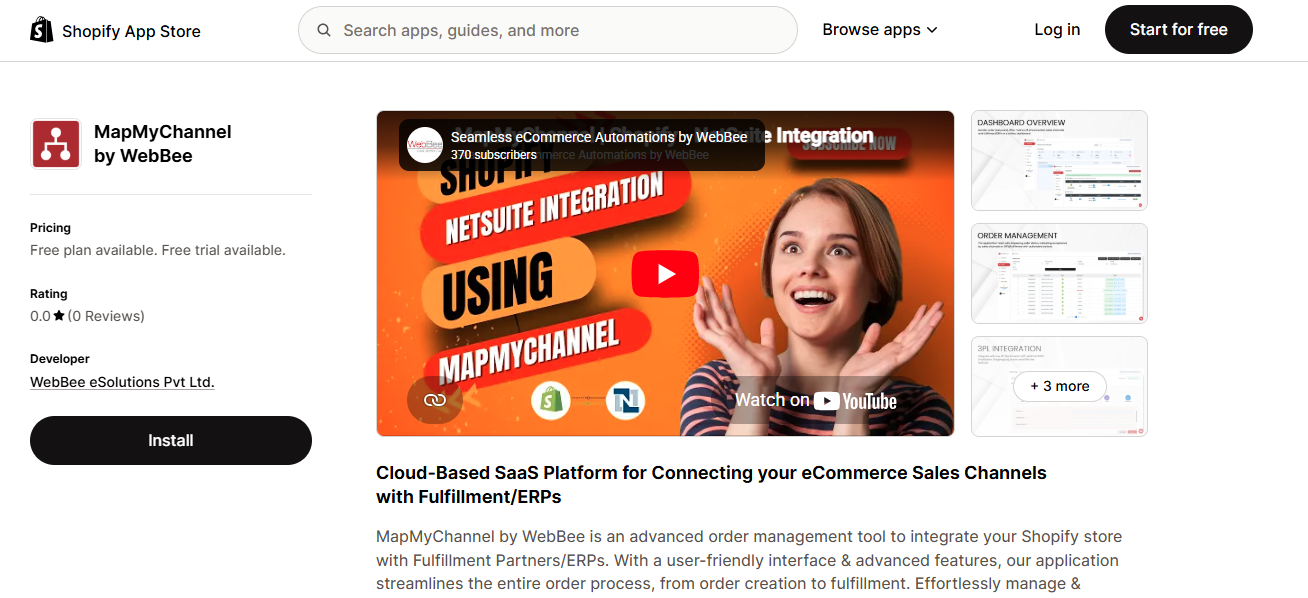
- Go ahead and install MapMyChannel by WebBee.
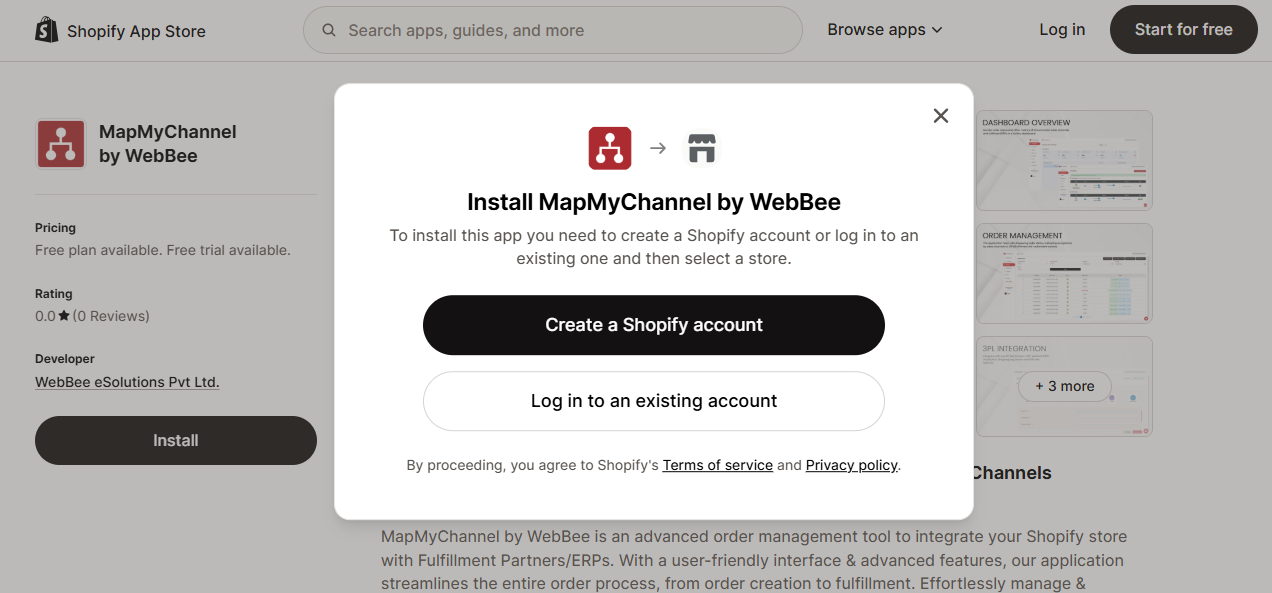
- Enter the Shopify verified email address.
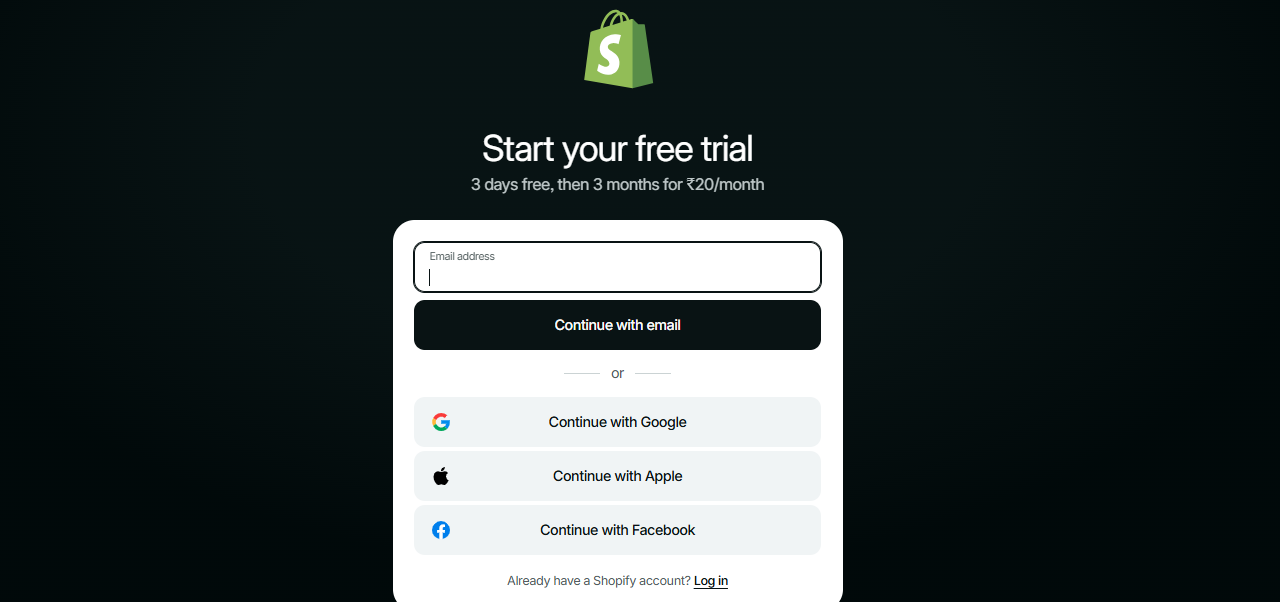
- Finally, your Shopify Store will be connected to MapMyChannel.
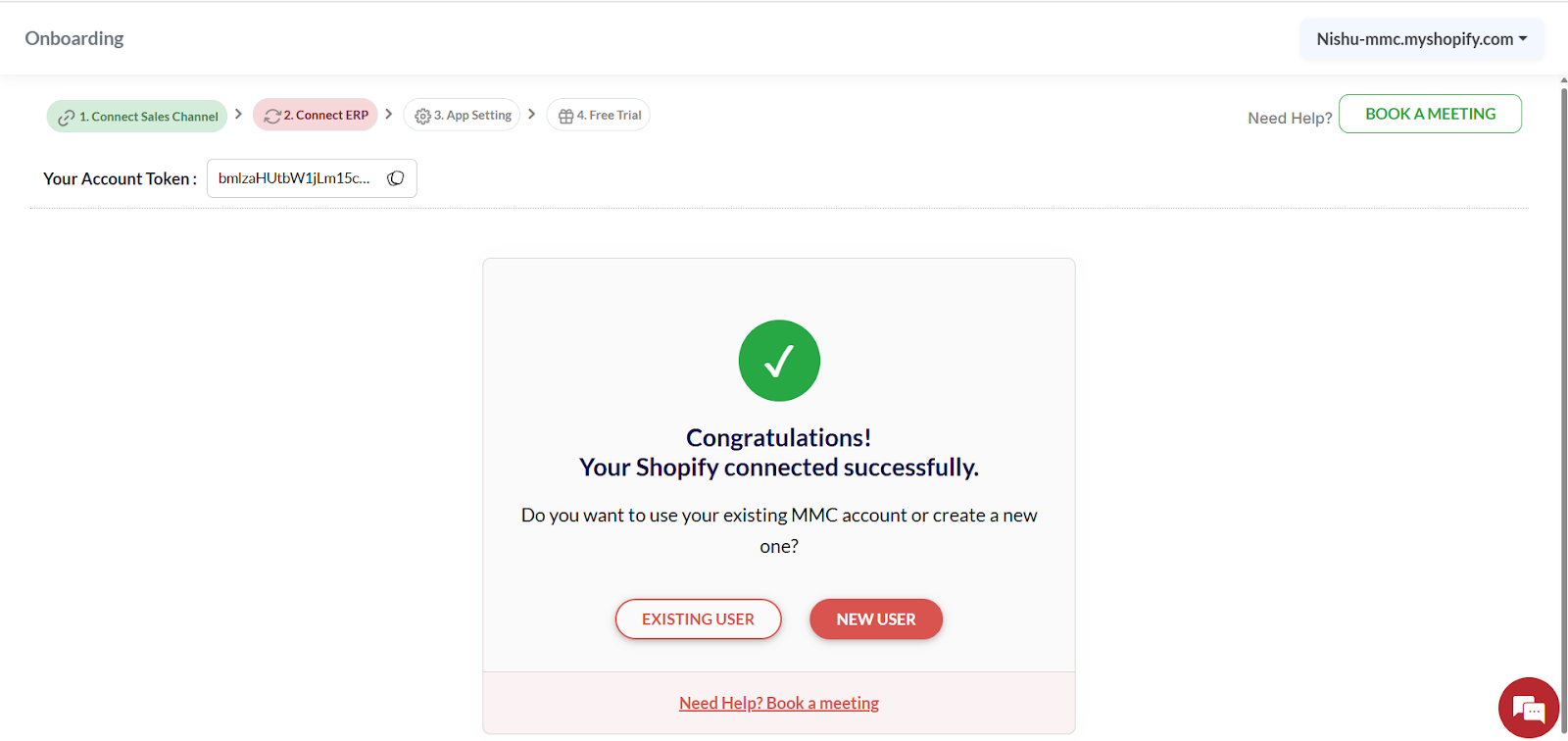
Step 2: Now select one of the two options:
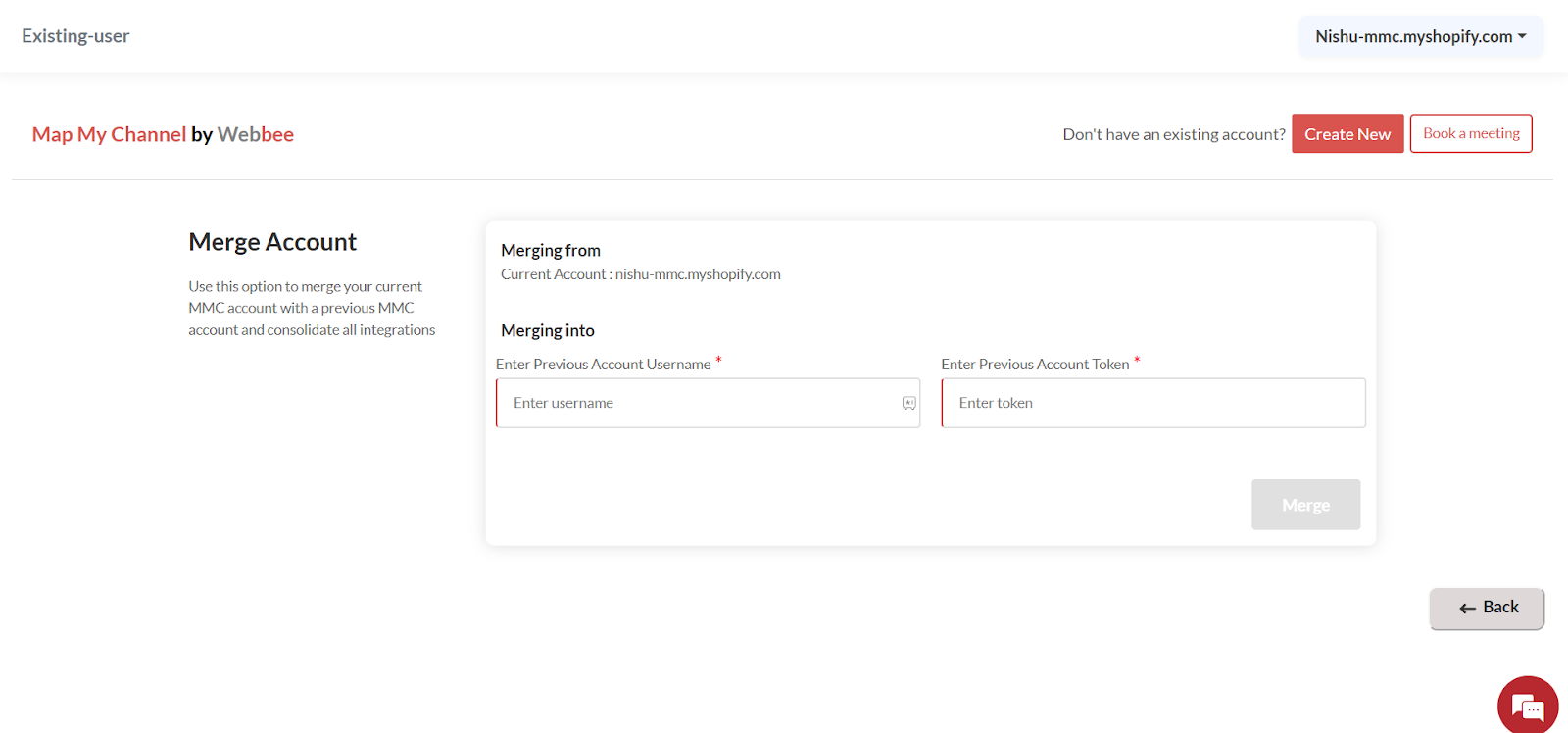
- Existing User: Here, enter the previous username and account details.
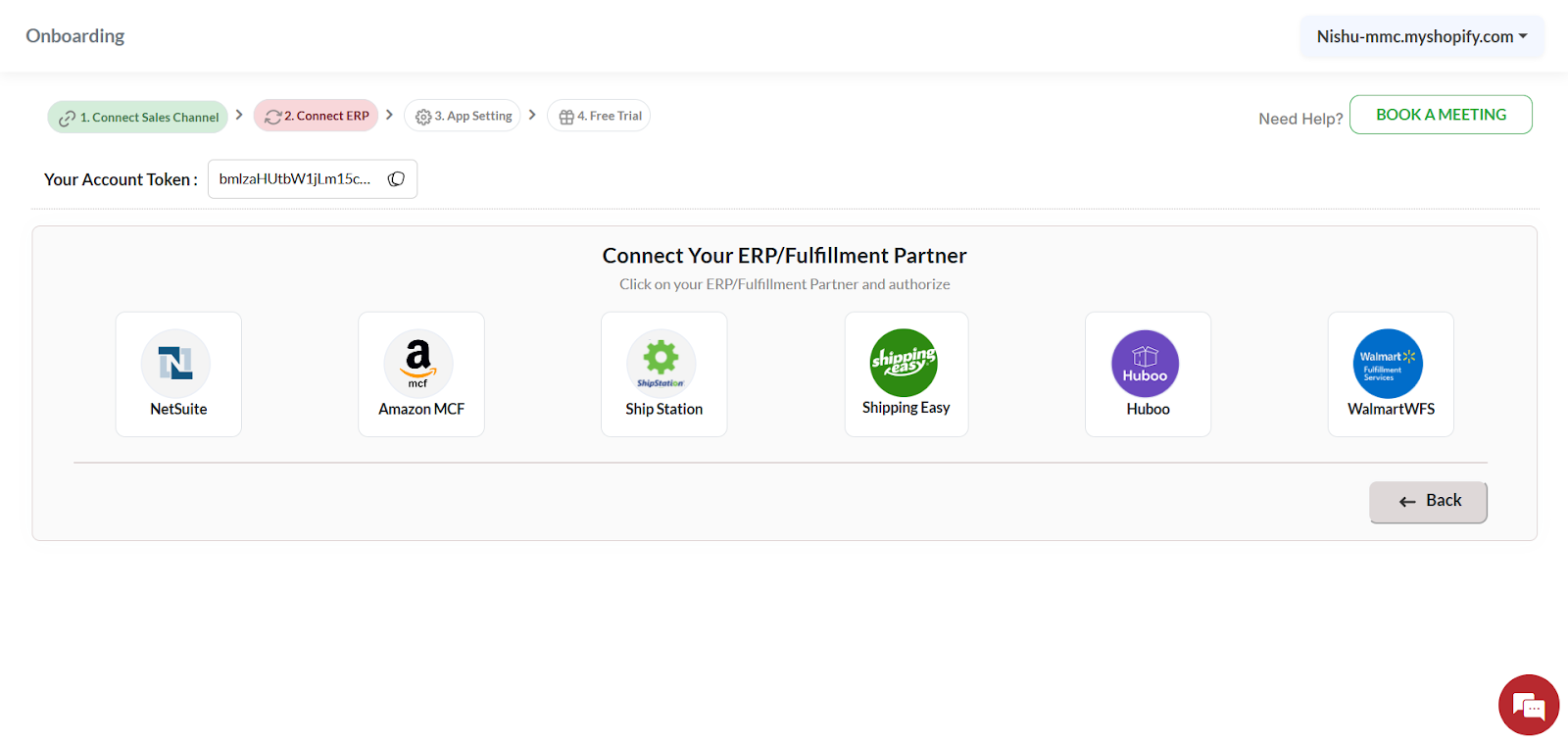
- New User: Connect your desired 3PL/ERP for smooth fulfillment and functioning.
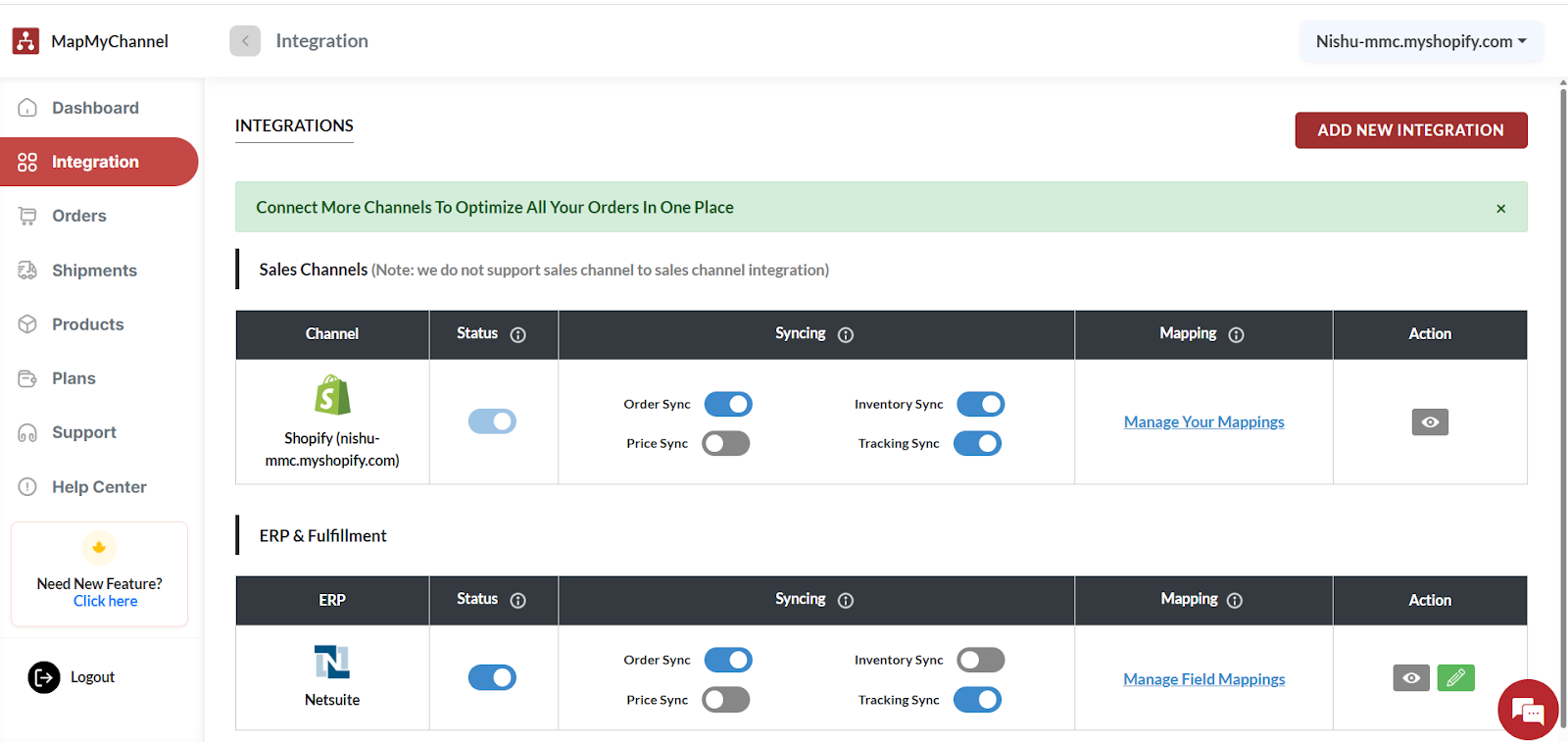
Step 3: Optimize your business and data sync
Here, turn on the desired toggles for better inventory sync and business management.
Conclusion
Let’s understand what you have learnt from this blog. First of all, you definitely require an inventory management software for your business. It gives way to smooth order fulfillment, consistent customer service, and prevention of overstocking and dead inventory. Next, your software has to be smart so that it integrates different sales channels and fulfillment partners for better visibility and supports e-commerce automation to avoid delays and errors. In the end, you discovered MapMyChannel as the perfect inventory control solution that gives your business 360-degree support with real-time tracking, multilocation management, buffer inventory, and hold orders. Even the integration of this solution is pretty easy. There’s nothing more you need to know, so go ahead, integrate and sell for profits, and scale your business.
Get in Touch

.webp)

.webp)


